Jamaican Food Essentials for Every Caribbean Food Fan
Jamaican food has a way of announcing itself before it reaches the table. You smell allspice and thyme in the air, catch the smoke from a jerk pan, hear the crackle of frying dough or the soft burble of a pot that has been taking its time for hours. It is a cuisine built on memory, improvisation, survival, and celebration. For anyone who loves Caribbean cooking, Jamaican food offers some of the most distinctive flavors in the region, but it also rewards patience and attention. The best versions are rarely rushed.
People often approach Jamaican food through its most famous exports, usually jerk chicken, patties, or a plate of rice and peas. Those dishes matter, but they only tell part of the story. What makes the cuisine so compelling is the balance between fire and comfort, intensity and restraint. A Jamaican breakfast can be as bold and savory as a dinner elsewhere. A soup can eat like a full meal. A side dish can carry as much identity as the main.
If you want to understand Jamaican food in a way that goes beyond the restaurant greatest hits, it helps to know the building blocks, the classic plates, and the decisions that separate a decent version from one worth remembering.
The flavor backbone of Jamaican cooking
No cuisine becomes essential by accident. Jamaican food draws from African, Indigenous, European, Indian, and Chinese influences, yet it reads as its own clear language. You can taste those layered histories in seasoning methods, starch choices, spice blends, and cooking techniques.
At the center of that language is seasoning. Jamaican cooking does not rely on heat alone, despite the reputation of Scotch bonnet peppers. Heat is part of the equation, but aroma carries equal weight. Pimento, known elsewhere as allspice, is one of the defining notes. Fresh thyme shows up constantly. Scallion, ginger, garlic, onion, and black pepper create the familiar savory base that shows up in marinades, stews, and soups. Nutmeg, cinnamon, and cloves appear in baking and drinks, but they also drift into savory cooking more often than newcomers expect.
Then there is browning, both the bottled sauce and the broader technique of building color and depth. You see it in brown stew chicken, where caramelized sugar or browning sauce gives the gravy its dark, glossy character. That depth is not just visual. It rounds out the sharpness of fresh herbs and pepper.
Texture matters just as much as spice. Jamaican food loves contrast. Crisp fried plantain beside soft rice. Flaky pastry around a deeply seasoned filling. Creamy callaloo next to saltfish with a firmer bite. Even something as simple as boiled dumpling brings a dense, satisfying chew that anchors sharper, saltier flavors.
What surprises many people is how often Jamaican cooking aims for balance rather than sheer intensity. The strongest dishes usually have relief built in. A peppery escovitch fish lands with vinegar and spice, but the fried fish itself offers richness. Curry goat can be assertive, but it is usually paired with plain white rice or rice and peas for a reason. The cuisine understands when to push and when to soothe.
Pantry staples that shape the taste
If you cook Caribbean food at home, a few Jamaican essentials will take you a long way. They are not obscure, and once you start using them, you begin to recognize how often they support the cuisine’s signature taste.
- Scotch bonnet peppers, for bright heat and fruitiness rather than blunt spice
- Pimento or allspice, preferably whole berries when possible
- Fresh thyme and scallions, used generously rather than as garnish
- Browning sauce, soy sauce, and vinegar for color, salt, and sharpness
- Coconut milk, dried beans, and long grain rice for the side dishes that complete a meal
Scotch bonnet deserves special respect. People who have only used habaneros sometimes assume they are interchangeable. They are close in heat, but not identical in flavor. Scotch bonnet brings a floral, almost tropical note that belongs in Jamaican pepper sauces, stews, and jerk marinades. You do not always need to use the whole pepper. In many home kitchens, cooks pierce one and let it simmer in a pot so the flavor enters gently without overwhelming the dish.
Pimento is equally important. If jerk seasoning had a soul, pimento would be a large part of it. Whole berries in a marinade, crushed berries in a rub, even pimento wood in traditional jerk cooking, they all contribute that warm, unmistakable aroma that people often struggle to identify by name.
Coconut milk and beans tell another story. Jamaican food is full of dramatic mains, but the supporting starches and legumes often carry the meal. Rice and peas, usually made with kidney beans or gungo peas depending on the season and household, should taste seasoned in its own right. It is not filler. When the coconut milk is too faint or the thyme too shy, the whole plate feels flat.
Jerk is more than a spice blend
Jerk may be the most internationally recognized part of Jamaican food, and it is also one of the most misunderstood. Outside Jamaica, the word often gets reduced to a bottled seasoning or a shorthand for anything spicy and grilled. Traditional jerk is a method, a flavor profile, and a cooking style tied to history.
The seasoning usually includes Scotch bonnet, scallion, thyme, pimento, ginger, garlic, and salt, often with soy sauce, vinegar, or citrus depending on the cook. The meat is marinated deeply, then cooked low and slow over pimento wood or charcoal. That smoke matters. It transforms the marinade into something darker and more layered than what an oven alone can produce.
Jerk chicken gets most of the attention, but jerk pork is arguably the more luxurious version when done well. The fat carries the spice and smoke beautifully. Good jerk pork should have bark on the edges, tenderness inside, and a heat level that builds rather than shouts. Jerk sausage, fish, lobster, and even tofu have all found their place in modern kitchens, but the principle stays the same. The seasoning has to penetrate. The smoke has to count.
One common mistake in home cooking is overloading the marinade with sweetness. A little brown sugar can help with color and balance, but jerk is not supposed to taste like barbecue sauce. Another mistake is treating it like a quick weeknight rub. It benefits from time. An overnight rest is better than an hour, and the difference is obvious on the plate.
The everyday plate matters as much as the famous one
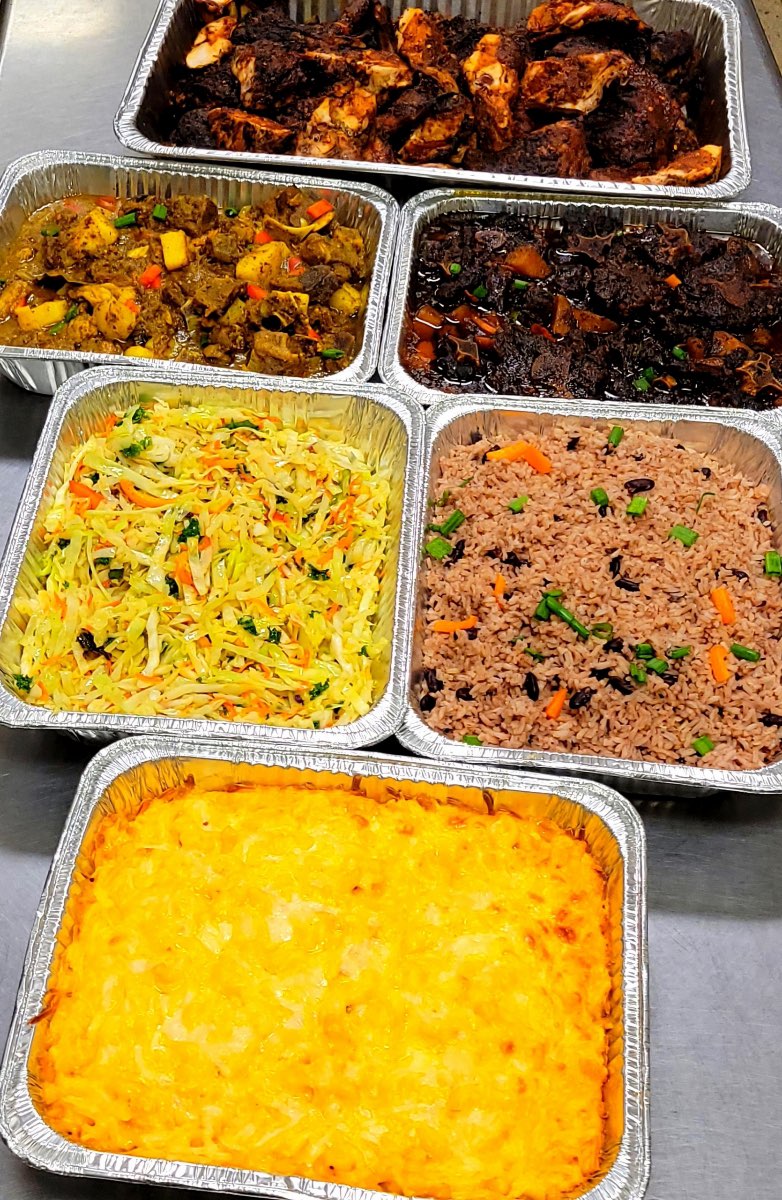
Visitors often chase the showstopper dishes, but the heart of Jamaican food lives in what people eat regularly. Brown stew chicken is one of the best examples. It lacks the international glamour of jerk, yet a well-made brown stew can tell you a great deal about the cook. The chicken is seasoned, browned, then simmered with onions, peppers, carrots, herbs, and gravy until the sauce becomes rich without turning heavy. It is practical food, family food, and deeply satisfying.
Curry goat occupies a similar place of affection, though it often leans more celebratory because of cost and preparation time. The best versions are tender but not falling apart into strings. The sauce should cling, carrying curry, thyme, garlic, and a gentle pepper heat. Jamaican curry powder is worth noting here because it tends to have a distinct profile, often darker and more toasted than some Indian styles commonly found in supermarkets.
Oxtail may be the most coveted dish on many Jamaican menus today. It is also one of the easiest to get wrong. Good oxtail needs enough time for the collagen to break down and enough seasoning to keep the richness from turning dull. Butter beans are a common companion, and they are not an afterthought. They soften the sauce and help stretch a costly cut into a complete, generous dish.
Then there is stew peas, a dish that confuses people who expect something light from the name. It is actually hearty and substantial, often made with red peas, salted meat or beef, coconut milk, and spinners, those small hand-rolled dumplings that thicken the pot and make it feel like a full meal. On a rainy day or after a long week, few dishes land more convincingly.
Breakfast tells you a lot about the cuisine
If dinner introduces the bold side of Jamaican food, breakfast shows how deeply savory the cuisine can be. Ackee and saltfish is the national dish, and it deserves its reputation. Ackee, when cooked properly, has a delicate texture that people often compare to scrambled eggs, though the flavor is much subtler, almost buttery. Paired with saltfish, usually sautéed with onion, tomato, scallion, thyme, and pepper, it becomes one of the most distinctive plates in the Caribbean.
The important phrase there is “when cooked properly.” Ackee must be handled with care, and many people outside Jamaica use canned ackee for that reason. It is practical and far safer than experimenting with fresh fruit unless you know exactly what you are doing. Even then, the dish succeeds or fails on restraint. Overstir it and the ackee turns mushy. Oversalt the fish and the balance disappears.
A proper breakfast spread may also include fried dumpling, boiled green banana, roasted breadfruit, plantain, or callaloo. This is not delicate food, and it is not trying to be. It is food meant to carry you through the day. The starches are central, not incidental.
Callaloo deserves special mention because it captures a different side of Jamaican cooking. Soft, mineral, savory, and usually cooked down with onion, tomato, thyme, and Scotch bonnet, it offers earthiness rather than drama. It pairs beautifully with saltfish, but it can also sit beside almost any main.
Street food, bakery culture, and the things people crave
Some of the most beloved Jamaican food is eaten standing up, carried in a paper bag, or bought from a small bakery case. Patties are the obvious example, but even there, details matter. A good Jamaican patty should have a pastry that is flaky without turning brittle, richly colored from turmeric or curry, and filled generously with a savory mixture that still tastes distinct from the crust. Beef is the classic choice, but chicken, vegetable, shrimp, and spicy variations all have their loyalists.
The patty and coco bread pairing is one of those combinations that feels simple until you try it and understand why it lasts. The soft, slightly sweet bread cushions the spiced filling and turns a snack into a substantial lunch. It is practical, inexpensive, and deeply familiar to generations of Jamaicans at home and abroad.
Festival offers a different pleasure. This lightly sweet fried dough, often served with jerk meat or fried fish, hits that sweet-salty contrast that Caribbean food does so well. The exterior should be golden and lightly crisp, while the inside stays soft. Too dense and it becomes a chore. Too sweet and it loses its purpose beside savory food.
Roasted corn, soup on the roadside, and fresh juices all matter too. Jamaican street food is not only about indulgence. It is about timing and context. Soup sold in the morning, especially on Saturdays, is often treated with near ceremonial seriousness. Mannish water, chicken foot soup, red peas soup, pumpkin soup, these are foods that carry local rhythms with them. They are tied to days of the week, gatherings, and habits built over years.
Fish and seafood show another side of Jamaican cooking
For an island with such strong meat traditions, Jamaican food also handles fish with confidence and precision. Escovitch fish is a standout. A whole fish is fried until crisp, then topped with a hot pickled mixture of carrots, onions, Scotch bonnet, and vinegar. The result is sharp, spicy, and bright. It is the sort of dish that wakes up the palate immediately.
Steamed fish takes the opposite approach. Softer, more aromatic, often cooked with okra, carrots, onion, thyme, and a little broth, it reveals how much Jamaican cooking values freshness and clean flavor when the ingredients support it. Bammy, the cassava flatbread often served with fish, adds another layer of regional identity. Lightly fried or steamed after soaking, it has a subtle flavor that lets the fish stay in front.
Saltfish also reaches beyond breakfast. It appears in fritters and mixed dishes, proving how central preserved ingredients have been in Caribbean food history. In island cuisines, preservation was never just necessity. It became style.
What to order first if you are just getting started
For someone new to Jamaican food, the menu can feel both inviting and slightly dense. Several dishes look similar at a glance, especially if everything is served with rice, plantain, and vegetables. A smart first order gives you a broad sense of the cuisine.
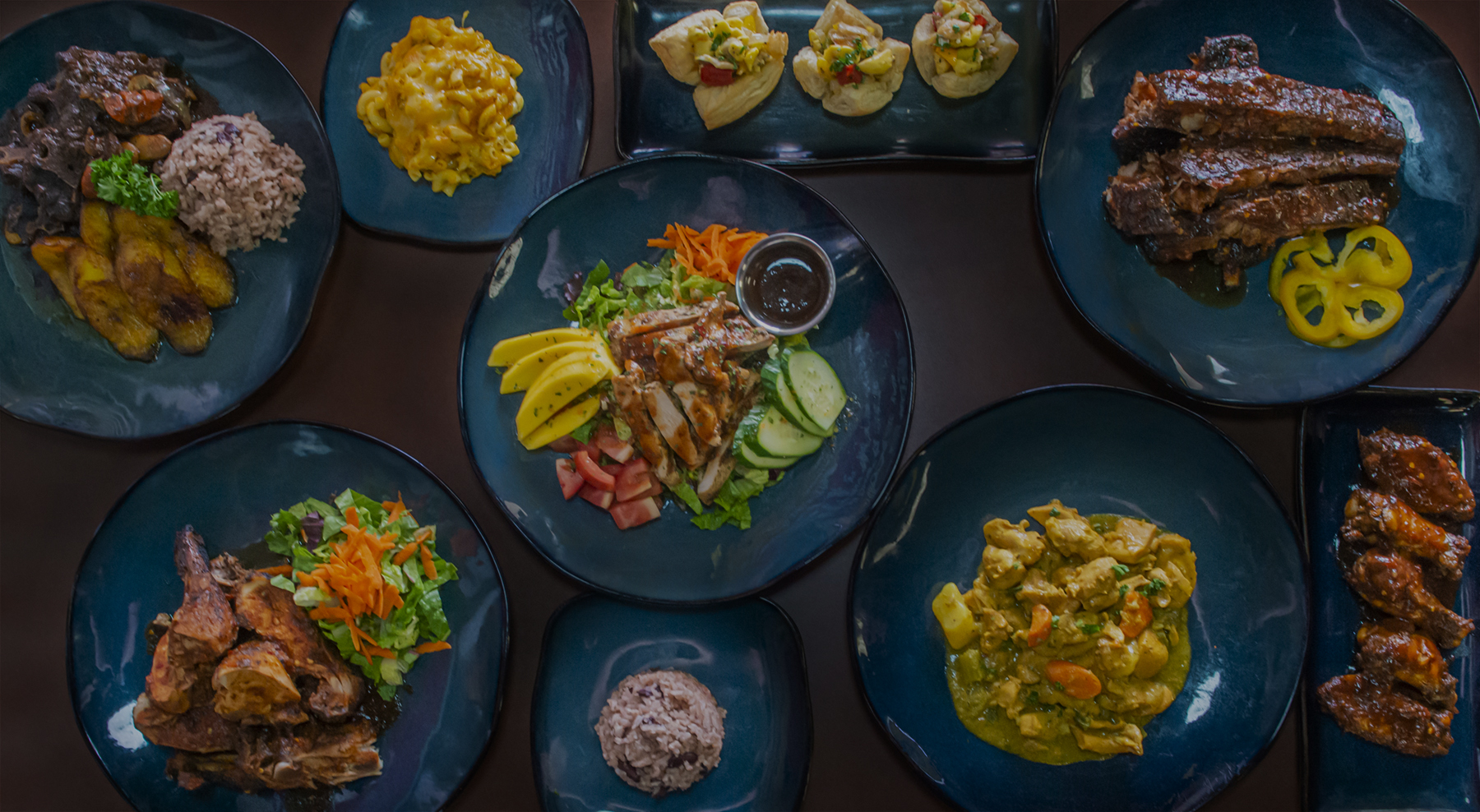
- Jerk chicken, for smoke, spice, and the most famous seasoning style
- Ackee and saltfish, for a true national classic with a distinctive texture
- Oxtail with rice and peas, for slow-cooked richness and depth
- Escovitch fish, for acidity, crispness, and heat
- A beef patty, for the everyday bakery side of the cuisine
Those choices cover a useful range. You get grilled food, braised food, breakfast cooking, seafood, and grab-and-go eating. If you can add one side, make it rice and peas rather than plain rice. It tells you more about the kitchen. If the rice and peas are bland, the rest of the meal often follows the same pattern.
Why sides are never just sides
One reason Jamaican food feels so complete is that the plate is built thoughtfully from edge to edge. Fried ripe plantain contributes sweetness and softness. Rice and peas adds fragrance and body. Cabbage, often lightly sautéed with carrot and pepper, gives freshness and a little crunch. Even simple boiled provisions, such as yam, green banana, or dumpling, provide structure and grounding.
Breadfruit can be especially memorable for people trying it for the first time. Roasted breadfruit has a dry, starchy interior that falls somewhere between potato and fresh bread, but neither comparison quite nails it. It is excellent with ackee and saltfish, smoked herring, or anything with a rich sauce. Its mildness is exactly the point.
There is also a practical logic to these sides. Strongly seasoned mains need companions that absorb and temper. Caribbean cooks understand this instinctively. A plate where every component competes for dominance gets tiring fast. Jamaican food avoids that trap by building contrast into the meal.
Home cooking, judgment, and the little decisions that matter
Anyone trying to cook Jamaican food at home should know that exact recipes only take you so far. This is a cuisine of feel as much as formula. You learn how much thyme is enough by smelling the pot. You decide whether a Scotch bonnet should be chopped in fully or left whole based on who is coming to dinner. You know when to stop reducing a gravy because you have seen what happens when it crosses from rich to muddy.
That kind of judgment is what makes the food feel lived in rather than imitated. It also means there is https://alexisjiqx213.alderbrief.com/posts/the-signature-taste-of-real-jamaican-food real variation from one household to the next. One cook’s curry goat will lean heavier on garlic. Another will use more scallion or let the meat marinate longer. Some prefer rice and peas with more coconut, others keep it quieter. None of this weakens the cuisine. It proves its health.
For cooks outside Jamaica, access can be the biggest challenge. Not every market carries callaloo, Scotch bonnet, or pimento berries regularly. Good substitutes can help, but they should be honest substitutes, not fantasies. Habanero can stand in for Scotch bonnet when necessary, though the flavor is not identical. Spinach can mimic the function of callaloo in some dishes, but not its exact character. Dried thyme works in a pinch, but fresh changes the result significantly. The trick is to preserve the spirit of the dish without pretending the result is the same.
The deeper appeal of Jamaican food
What keeps people coming back to Jamaican food is not only flavor, though the flavor is reason enough. It is the way the cuisine joins intensity with comfort. A bowl of soup can be restorative and bold at once. A breakfast can feel ceremonial without becoming precious. A roadside jerk pan can serve food with as much authority as a formal dining room.
There is also emotional range in the cuisine. Some dishes are built for gatherings, others for ordinary weekdays, others for recovery after a hard night or a hard month. That flexibility is part of what makes Jamaican food essential for any Caribbean food fan. It is not a one-note cuisine, and it never has been.
If you pay attention, you start to notice that the essentials are not merely individual dishes. They are patterns. Season deeply. Respect smoke. Balance heat with starch, salt with sweetness, richness with acid. Let sides carry their share of the meal. Give tough cuts time. Treat breakfast seriously. Trust aroma as much as appearance.
Learn those lessons, and Jamaican food opens up far beyond the greatest hits. It becomes what it has long been to the people who cook it best, a cuisine of craft, memory, and unmistakable presence.
Reggae Pot Jamaican Grill
7562 S University Blvd C, Centennial, CO 80122
(303) 997-5623
FAQ About jamaican food
What is the best Jamaican food to try in Centennial?
The best choice depends on your preferences. Reggae Pot Jamaican Grill offers jerk chicken, curry goat, oxtail, and escovitch snapper, along with sides such as rice and peas and fried plantains. Ask the restaurant about current availability and spice levels before ordering.
Is Jamaican food very spicy in Centennial?
Heat varies by dish and preparation. Jerk dishes can be hot, while some stews and sides are milder. Tell the restaurant your preferred heat level and ask which options suit you.
What is typically on a Jamaican menu?
Common choices include jerk chicken, curries, oxtail, fish, patties, rice and peas, and plantains. Reggae Pot also lists ackee and saltfish and vegetable dishes. Menus and availability can change, so confirm your choices when ordering.